

Aerospace
You were hired to design the vehicle.
Not to spend Friday evening dimensioning it. Send the assembly from SolidWorks or Siemens NX and Drafter returns a fully dimensioned ASME Y14.5-2018 sheet for every part in it, linked parametrically to the model, with your title block and your tolerancing conventions, for you to check rather than to draw.
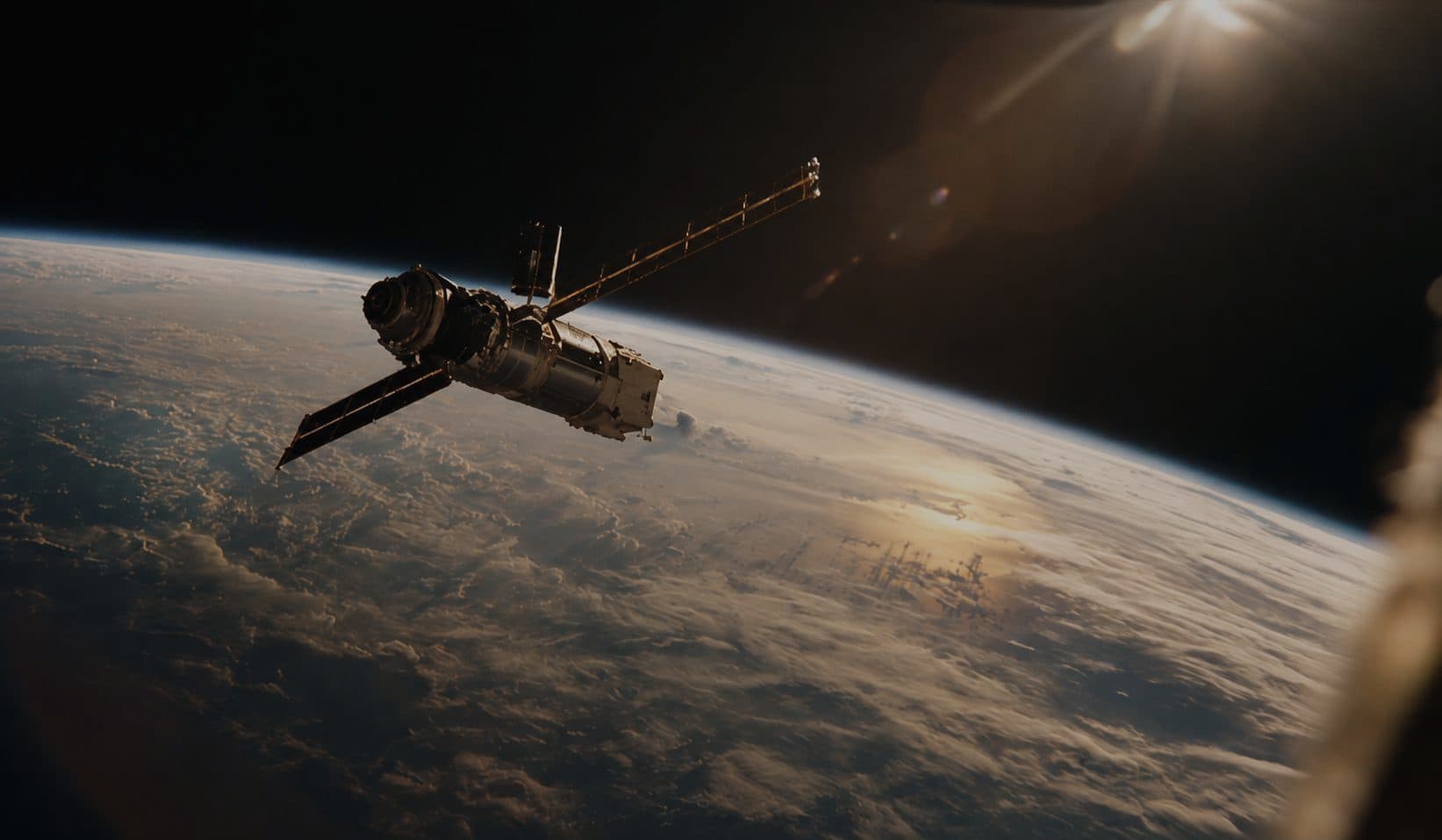
Seven drawings. A day and a half of work, in thirty minutes.
“Drafter is really fast. It helps us move at the speed we need. The 7 drawings I made last week would've taken me one and a half days. With Drafter, it took 30 minutes.”
Drawing list
Strut assembly, forward
18 sheets · 1 assembly · 41 minutes
| Sheet | Part no | Title | Rev | Std | Drafted |
|---|---|---|---|---|---|
| 001 | DFT-40120 | Bracket, forward mount | B | Y14.5 | |
| 002 | DFT-40121 | Fitting, feed line | A | Y14.5 | |
| 003 | DFT-40122 | Doubler, skin splice | A | Y14.5 | |
| 004 | DFT-40123 | Standoff, avionics tray | C | Y14.5 | |
| 005 | DFT-40124 | Cover, access panel | A | Y14.5 | |
| 006 | DFT-40125 | Clip, harness routing | A | Y14.5 |
One assembly in. A sheet for every part out.
Forty parts is a fortnight of somebody's life, and it is the fortnight between design freeze and quotes coming back. Send the assembly and the package comes back whole: every part detailed, every sheet numbered, rather than the six somebody had time for.
Nothing lands on the sheet until you say so.
Your name goes in that title block. So Drafter proposes rather than decides: it reads the model, finds the features that mate, and puts up the datums and tolerances that control them to ASME Y14.5-2018, for you to accept, change or throw out. You keep the judgment. What you stop doing is the typing.
See what ships on a sheet- Standard
- ASME Y14.5-2018
- Datums
- Proposed from the model
- Definition
- On the sheet or on the model
- Title block
- Yours
- Sheet
- Stays attached to the model
- Runs in
- SolidWorks, Siemens NX
- Reads
- STEP
- Review
- Before anything lands
Capabilities
What an aerospace team gets back.
Every part, not the easy ones
Send an assembly and get a sheet for each part in it, numbered and consistent, rather than the handful somebody had time to detail.
GD&T to the 2018 rule set
Feature control frames, datum references and callouts follow ASME Y14.5-2018 on every sheet, so a drawing does not change character with whoever produced it.

Native in your CAD
Drafter runs as an add-in inside SolidWorks and Siemens NX, and reads STEP when a model reaches you without its native file.


Revisions re-run
A late design change regenerates the affected sheets and writes the revision block: what changed, what authorized it, and when.
Your conventions, not ours
Your title block, your tolerancing defaults and your sheet sizes, applied the same way across the whole package.
Nothing leaves the workspace
Models, drawings and design intent stay inside an isolated workspace. Nothing is trained on and nothing is shared, with AWS GovCloud or a locally hosted cloud deployment available for controlled programs.
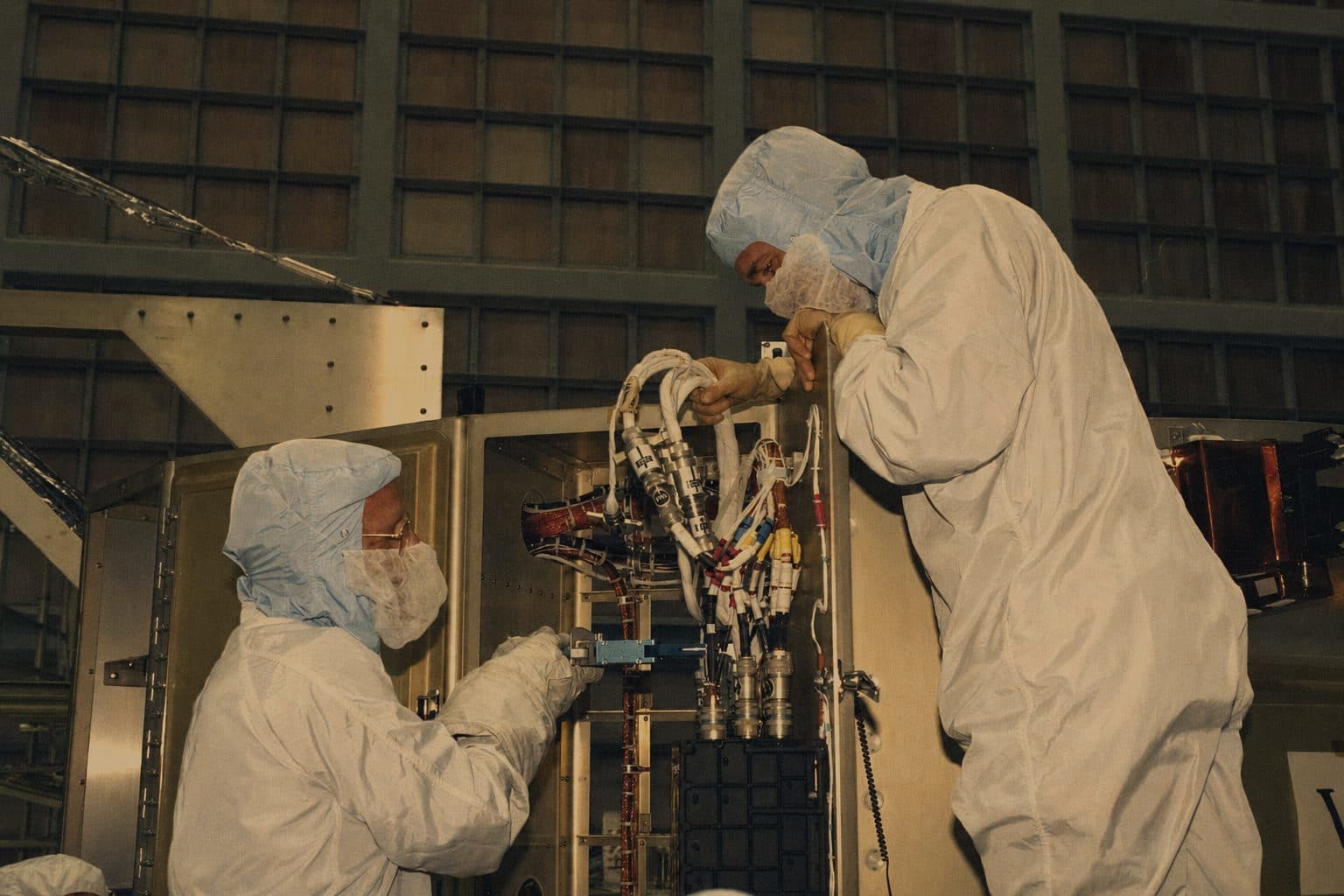
The build waits on paper more often than on parts.
You cannot buy a machined fitting without a released drawing, and the drawing is usually late because the person who has to make it was hired to design the vehicle. Detailing is the one task on the program that scales with headcount and nothing else. Drafter takes that task off the critical path without taking the judgment out of it: the engineer still decides what matters, and stops spending the week dimensioning it.
The oldest job in manufacturingYour geometry does not go anywhere.
The model you send stays in your workspace, and you choose where that is: isolated AWS GovCloud, a private cloud, or on-prem inside your own facility. Nothing is trained on, nothing is shared, and nothing goes out to a third party.
How we handle controlled programsQuestions
What aerospace teams ask us first.
- Does it work on an assembly or only on a part?
- On an assembly. You send the assembly from SolidWorks or Siemens NX and Drafter returns a detailed sheet for every part in it, each one carrying your title block and the same tolerancing conventions.
- Do I have to accept the GD&T it proposes?
- No. Drafter reads the model and proposes the datums and tolerances that control the features that mate, and you review that call before it lands on the sheet. The engineer keeps the judgment; what goes away is the dimensioning.
- Is the drawing still linked to the model afterwards?
- Yes. The sheet comes back attached to the model rather than as a flat file, so a design change is a re-run rather than a redraw, and the revision block records what changed and what authorized it.
- What happens when a supplier sends back a model with no native file?
- Drafter reads STEP. You do not need the originating CAD to get a standardized sheet out of a model that arrived on its own.
- Do our models leave our environment?
- No. Every workspace is isolated, nothing is trained on, nothing is shared and nothing goes out to a third party. Programs that require it run in AWS GovCloud or in a locally hosted cloud deployment of their own; see Drafter for Defense for how controlled work is handled.
- Does it replace our drafters?
- It replaces the part of the job that is transcription. Most aerospace teams we work with have no drafters left to replace: the detailing is being done by the design engineers, at night, and that is the time this gives back.